Laguna Hills, CA
Dental Implants
in Laguna Hills, CA
Understanding your options — when to save a tooth, and when an implant is the right choice.
Request an AppointmentDental Implants
What is a dental implant?
A dental implant is a titanium post surgically placed into the jawbone to serve as an artificial tooth root. Once the implant fuses with the bone through a process called osseointegration, a crown is attached — restoring the look, feel, and function of a natural tooth. Implants are the gold standard for replacing a missing tooth.
At Saddleback Valley Endodontics, our philosophy is to save natural teeth first. We exhaust every endodontic option — root canal treatment, retreatment, and apical surgery — before concluding that extraction and implant placement is the best path. When saving the tooth is not clinically reasonable, we say so clearly and help coordinate the next steps with your general dentist or oral surgeon.
Request an Appointment
Why consider an implant?
Benefits of dental implants.
Save First Philosophy
When extraction is inevitable, an implant is the best replacement — but we exhaust every option to preserve natural teeth first.
Bone Preservation
Implants integrate with jawbone and prevent bone loss that occurs after extraction — unlike bridges or dentures.
Natural Function
A well-placed implant with a quality crown looks, feels, and functions like a natural tooth for most daily activities.
Long-Term Investment
With proper care, implants can last decades. The upfront cost is higher than a root canal, but the long-term value is strong.
The Procedure
The Implant Process
From evaluation to final crown, the implant process typically spans several months — each stage carefully sequenced to maximize long-term success.
Consultation & Evaluation
CBCT imaging to assess bone volume, root anatomy, and overall case complexity before any treatment is planned or recommended.
Extraction (if needed)
Careful extraction designed to preserve the surrounding bone socket, setting the stage for optimal implant placement.
Implant Placement
A titanium post is placed into the jawbone under local anesthesia. Sedation is available for anxious patients.
Osseointegration
3–6 months for the implant to fuse with the surrounding bone — creating a stable, long-term foundation for the final crown.
Crown Placement
A custom porcelain or zirconia crown is attached by your general dentist — completing treatment and restoring full function.
Technology
Technology we use for implant planning.
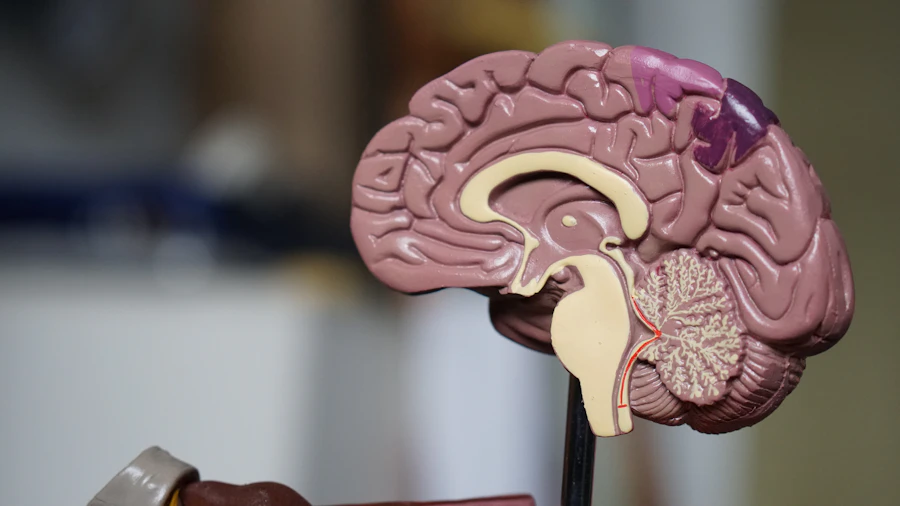
- Cone-Beam CT (CBCT) Imaging 3D volumetric imaging measures bone height, width, and density at the implant site — information a 2D X-ray cannot provide. We use CBCT to evaluate bone before any recommendation is made.
- Operating Microscope High-magnification visualization during evaluation reveals root fractures, resorption, and other findings that change the save-vs-replace decision — and are invisible on radiographs.
- Digital Radiography Instant, low-dose periapical and panoramic X-rays reviewed chairside at every visit for ongoing monitoring.
- Endodontic Specialty Evaluation A full specialist assessment of the tooth — including vitality testing, percussion, and periodontal probing — before any irreversible treatment decision.
Indications
When an implant may be right.
Vertical root fracture
An untreatable fracture running the length of the root — saving the tooth is not clinically possible.
Severe bone loss
Advanced periodontal disease with insufficient bone support to maintain the tooth long-term.
Structural failure
Insufficient remaining tooth structure to support a crown after decay or trauma.
Failed root canal (non-retreatable)
When retreatment cannot address the failure cause and the tooth cannot be surgically saved.
South OC Endodontic Specialists
Why choose Saddleback Valley Endodontics for your implant evaluation?
- Honest prognosis — we tell you if a tooth can be saved, not just what generates revenue
- CBCT imaging for precise bone assessment before any recommendation
- Coordination with your general dentist or oral surgeon for seamless care
- Fellowship-trained endodontists with decades of complex case experience
Frequently Asked Questions
Dental implant FAQ.
Are implants better than root canals?
Neither is categorically better. Long-term success rates are comparable. A root canal saves your natural tooth, which has proprioceptive feedback, natural gum architecture, and a smaller treatment footprint. Implants are the right choice when a tooth cannot be saved. Our strong bias is toward saving natural teeth — but when saving a tooth is not clinically reasonable, we say so plainly.
What makes a tooth "unsaveable"?
Vertical root fractures, severe resorption extending into the root, insufficient remaining tooth structure to support a crown, or advanced periodontal bone loss can make a tooth unsalvageable. We use cone-beam CT and the operating microscope to fully evaluate a tooth before recommending extraction. Sometimes a tooth that looks hopeless on a 2D radiograph is more treatable than it appeared.
My dentist said I should pull it and get an implant. Should I get a second opinion?
Yes — and we say that without reservation. Endodontists are trained specifically to evaluate whether a tooth can be saved. A consultation here gives you a definitive answer about treatability before any irreversible decisions are made. If the tooth is not saveable, we will tell you that clearly and help you coordinate next steps.
Can I have an implant placed immediately after extraction?
Immediate implant placement is possible in some cases, but not all. It depends on the condition of the bone at the extraction site, the presence or absence of infection, and the patient's overall health. Your general dentist or an oral surgeon will evaluate this after a complete examination.
Not sure whether to save or replace?
A consultation with our endodontist gives you a definitive answer before any irreversible decisions. Call (949) 581-8890 or request online.